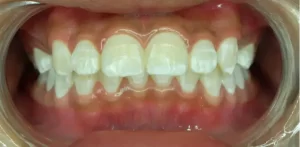
Are you self-conscious about the white spots on your teeth? Do you want to know if a dentist can get rid of them? If so, you’re in the right place. White spots on teeth can be a cosmetic concern for many people, and while they may not always cause problems with oral health, they can still be frustrating to deal with. The good news is that a dentist can often help to remove or reduce the appearance of white spots on teeth.
What Causes White Spots on Teeth?
White spots on teeth can be caused by a variety of factors. Some common causes include:
- Fluorosis: This is a condition that occurs when a child consumes too much fluoride during their developing years. Fluoride is a mineral that can help to strengthen teeth and prevent tooth decay, but too much of it can lead to white spots on the teeth.
- Inadequate oral hygiene: Plaque is a sticky film of bacteria that forms on the teeth. If it’s not removed through regular brushing and flossing, it can harden into tartar, which can lead to white spots on the teeth.
- Demineralization: This occurs when the minerals in the enamel of the teeth are lost, leading to a thinning of the enamel and the appearance of white spots. Demineralization can be caused by a number of factors, including acid exposure, certain medications, and certain health conditions.
Treatment Options for White Spots on Teeth
If you have white spots on your teeth, there are several treatment options that a dentist may recommend to help improve their appearance. Some common treatments include:
- Tooth whitening: In some cases, tooth whitening products may be able to help reduce the appearance of white spots on the teeth. These products use bleaching agents to lighten the color of the teeth, and they can be applied in the office or at home using take-home kits.
- Bonding: Bonding is a process in which a tooth-colored resin is applied to the surface of the teeth to cover up imperfections. This can be an effective way to disguise white spots on the teeth.
- Porcelain veneers: Porcelain veneers are thin shells of porcelain that are applied to the front surface of the teeth to cover up imperfections. They can be an effective treatment for white spots on the teeth, as well as other cosmetic concerns such as chips, cracks, and gaps.
Preventing White Spots on Teeth
While it may not always be possible to completely prevent white spots on the teeth, there are steps you can take to reduce your risk. These include:
- Brush your teeth twice a day with a fluoride toothpaste
- Floss daily to remove plaque and food particles from between the teeth
- Use a mouthwash that contains fluoride
- Limit your intake of sugary and acidic foods and drinks
- Visit the dentist regularly for cleanings and checkups
- Avoid smoking and chewing tobacco
It’s important to note that the best treatment for white spots on teeth will depend on the underlying cause of the spots. A dentist will be able to assess your individual case and recommend the most appropriate treatment option for you.
 In conclusion, white spots on teeth can be a cosmetic concern for many people, but the good news is that a dentist can often help to remove or reduce their appearance. There are several treatment options available, including tooth whitening, bonding, and porcelain veneers. To reduce your risk of developing white spots on your teeth, it’s important to practice good oral hygiene, limit your intake of sugary and acidic foods and drinks, and visit the dentist regularly. With the right treatment and prevention measures, you can enjoy a brighter, healthier smile.